Construction and roofing
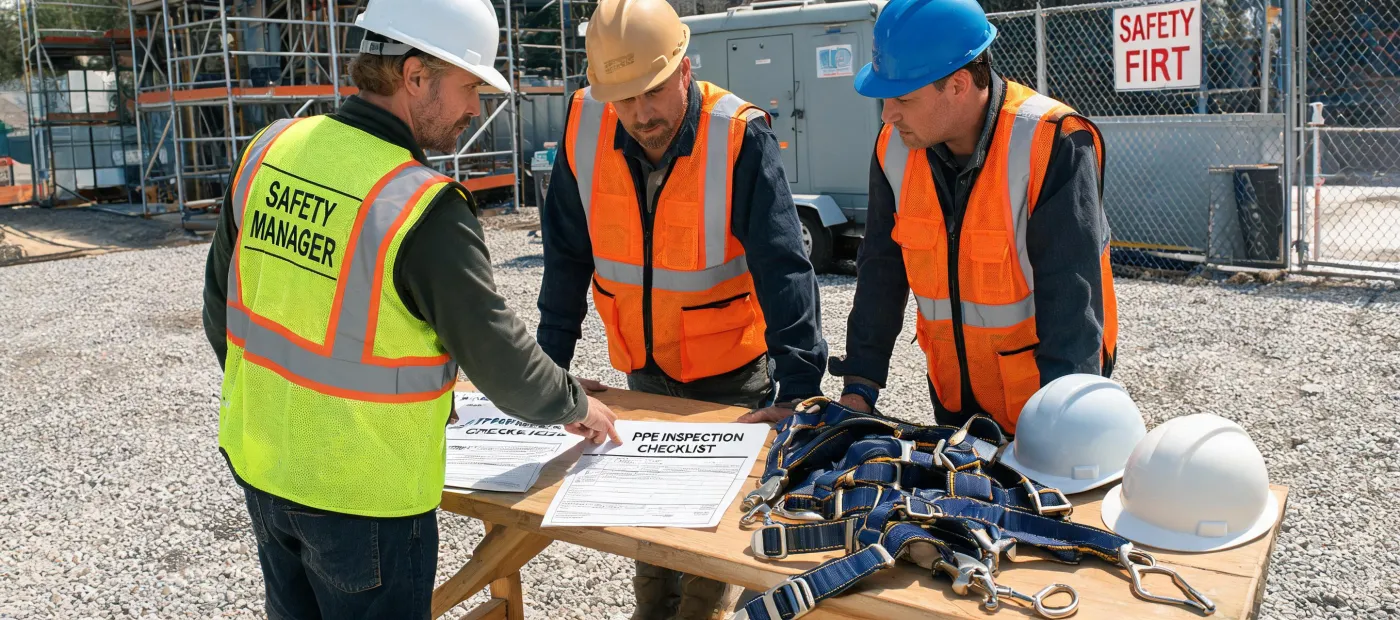
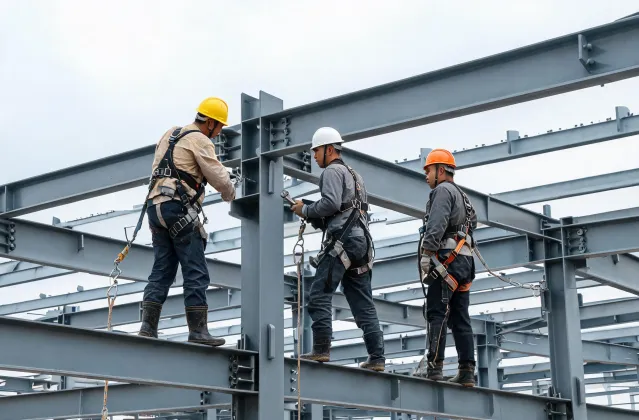
Harness selection, helmet retention, anchorage assumptions, and rescue staging for crews moving between ladders, lifts, roofs, and steel frames.
Fall protection and head protection decisions change when the workplace changes. A construction superintendent may care about frequent crew turnover and fast rescue access. A utility safety manager may care about energized environments, climbing method, and storm response. A wind technician may need suspension comfort, tool management, and inspection discipline across remote assets. Petzl organizes support around those operating realities so each product package carries the right technical assumptions, training notes, and replacement rules.
Harness selection, helmet retention, anchorage assumptions, and rescue staging for crews moving between ladders, lifts, roofs, and steel frames.
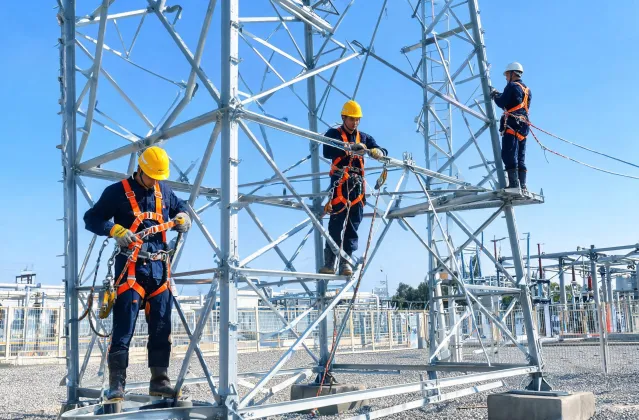
Climbing, work positioning, storm response, and accessory compatibility for headlamps, face protection, and tool tethering.
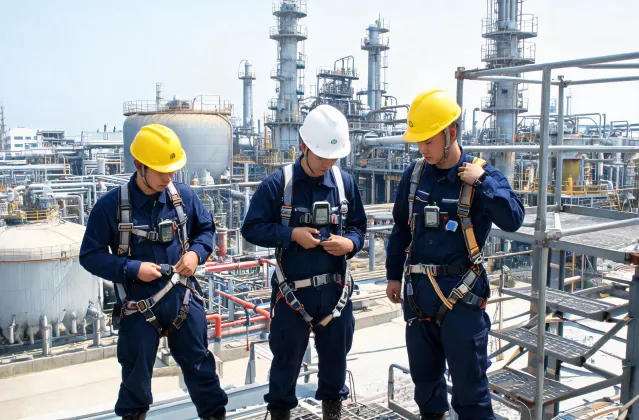
Confined vertical access, rescue readiness, hot work coordination, and inspection workflows across remote and contractor-heavy sites.
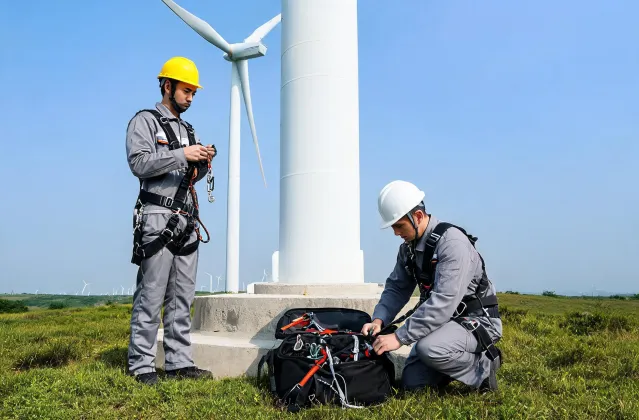
Tower climbing comfort, evacuation planning, rescue kit placement, and consistent equipment retirement rules across distributed assets.
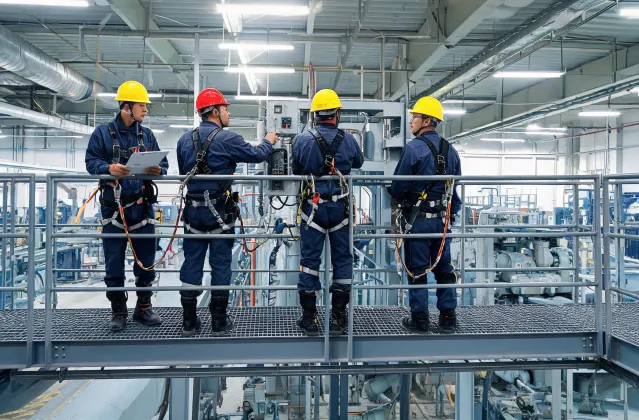
Short-duration access, machinery lockout coordination, overhead work, and practical PPE storage for maintenance teams.
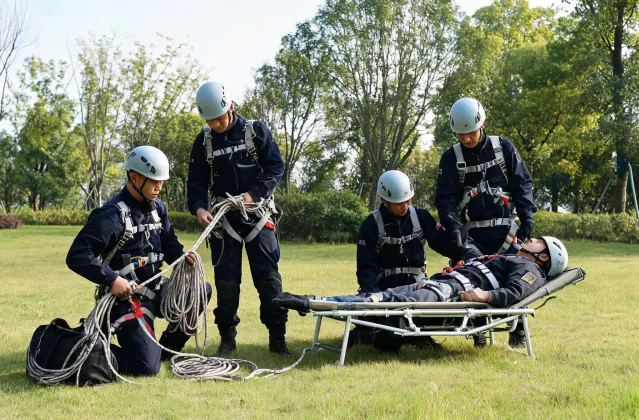
Rescue kits, command accountability, helmet and harness compatibility, and controlled descent planning for trained responders.
A national contractor needed one approved fall protection set for steel, roof, and lift work. The review separated universal items from site-specific alternates, which reduced uncontrolled substitutions while still giving superintendents a documented exception path.
A utility team compared traditional hard hats with chin-strap safety helmets for climbing and bucket work. The decision package covered ANSI Z89.1-2014 class references, accessory mounting, dielectric considerations, and worker fit feedback.
An industrial facility had equipment in place but inconsistent inspection and location records. Petzl helped map rescue kits to work zones, assign competent-person checks, and align retirement criteria with the equipment manual and site procedure.